As an SEO Writer, I stay up-to-date with the latest SEO practices and industry insights to craft content that is search-optimized, credible, and genuinely valuable, designed to perform at its best on SERPs.
Collaborator

Aggregate Rating Schema: Function, Examples & How to Test It

Of the many types of schema markup, aggregate rating schema is one of the most relevant for building brand authority. This schema helps search engines and AI read a summary of customer ratings for your products, services, or business, so the reputation you’ve built can potentially be more visible and more trusted.
The problem is that many businesses already have great customer reviews, but those reviews aren’t picked up or don’t show up in search results because the right markup hasn’t been implemented.
This article will cover what aggregate rating schema is, what it does, an aggregate rating schema example you can follow, how to test it, and whether it can truly improve your brand’s AI visibility. Be sure to read to the end!
What Is Aggregate Rating Schema?
Aggregate rating schema is a type of schema markup that gives search engines and AI a summary of customer ratings, in the form of an average rating and the number of reviews behind it, for example, a 4.7 rating from 1,024 reviews.
This schema does not display the content of individual reviews. It simply condenses all the ratings into a single figure that machines can easily read.
In practice, aggregated schema is written in JSON-LD format and added to the product, service, or business page being rated. Some of its key elements are the average value (ratingValue), the number of reviews (reviewCount), and the upper limit of the rating scale (bestRating), which is usually 5.
With this markup, the rating on your page is clearly labeled, making it easier for Google’s systems and AI crawlers to understand it as a trust signal.
However, this star rating schema only makes your page eligible to display star ratings, not guaranteed to. The data must also reflect real ratings and match what is visible on the page, because fabricated ratings can cause the page to lose eligibility for rich results.
Read also: HowTo Schema: Function, Implementation, and Testing
What Does Aggregate Rating Schema Do?
The main purpose of aggregate rating schema is to communicate customer ratings of your products or services. Instead of showing just a single review, this schema summarizes all star ratings and the number of reviews into one complete picture. In more detail, here is what it does:
- Helps search engines understand rating data. This schema tells Google what the average rating is and how many reviews are behind it, so the rating can be displayed clearly.
- Displays star ratings in Google search results. This markup lets your rating value and review count appear right below the title of a search result, often called Google star rating schema.
- Makes your search listing more eye-catching. Star ratings stand out visually compared to other results and can potentially increase your click-through rate (CTR).
- Strengthens trust in your brand. A clearly readable rating works as social proof that helps potential customers judge your credibility before they click.
- Supports AI visibility through trust signals. Structured rating data can help AI systems and LLMs such as ChatGPT and Gemini assess a brand’s social proof. An aggregate rating schema can be one of the factors that supports your brand’s AI visibility.
Example of Aggregate Rating Schema
Here is an example of aggregate rating schema applied to the product page of an online coffee shop. The code is written in JSON-LD format and placed on the relevant product page.
<script type="application/ld+json">
{
"@context": "https://schema.org",
"@type": "Product",
"name": "Kopi Arabika Nusantara 250 gr",
"image": "https://www.contoh.com/kopi-arabika.jpg",
"description": "Kopi arabika sangrai dari petani lokal.",
"aggregateRating": {
"@type": "AggregateRating",
"ratingValue": "4.7",
"reviewCount": "1024",
"bestRating": "5",
"worstRating": "1"
}
}
</script>
Here are the parts you should pay attention to:
- ratingValue: The average value of all reviews, here 4.7.
- reviewCount: The number of reviews counted to get that average, here 1,024.
- bestRating: The highest value on the rating scale, usually 5.
- worstRating: The lowest value on the rating scale, usually 1.
If the markup is valid and meets the requirements, the rating on that page can potentially appear in Google search results like this:
Kopi Arabika Nusantara 250 gr
www.contoh.com › produk › kopi-arabika
★★★★★ Rating: 4,7 · 1.024 ulasan
Aggregate rating schema focuses on the numerical summary. If you want to display the content of individual reviews, such as the reviewer’s name and comments, you need to add review schema.
Read also: AEO Website Audit: How It Works & Its Benefits for Your Business
How to Test Aggregate Rating Schema
Once the schema is in place, you need to make sure the code is correct before expecting ratings to show up. There are two free tools you can use for testing:
1. Via Schema Markup Validator
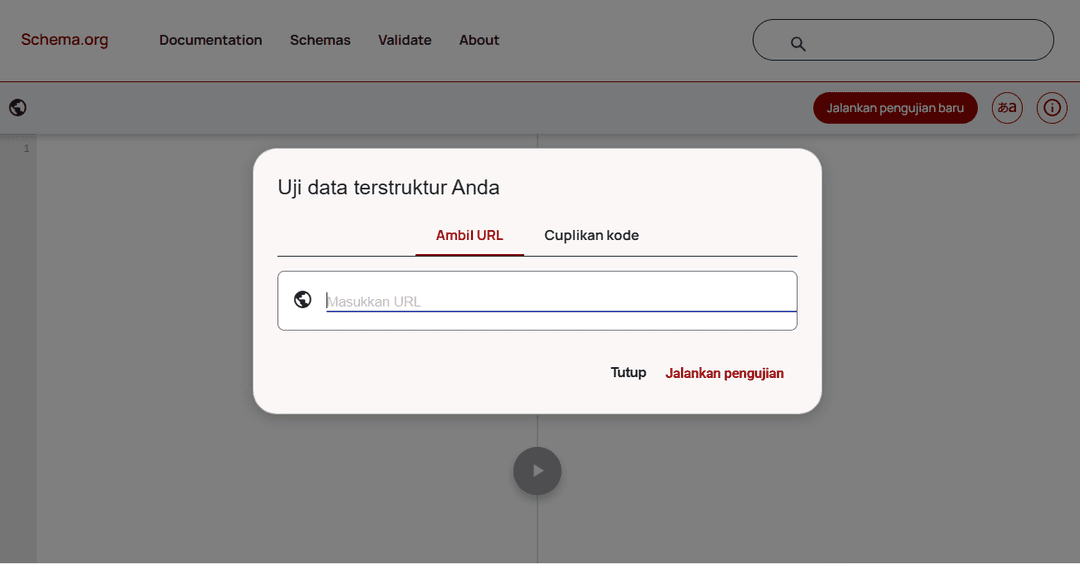
Schema Markup Validator checks whether your markup follows schema.org standards. Here’s how to test it:
- Open validator.schema.org.
- Choose an input method: Fetch URL for a live page, or Code Snippet to paste your JSON-LD code directly.
- Enter your URL or code, then click Run Test.
- Review the results. Make sure AggregateRating is read as part of Product (or whichever content type you use), complete with ratingValue and reviewCount.
- Fix any errors or warnings, then run the test again until it comes back clean.
2. Via Rich Results Test
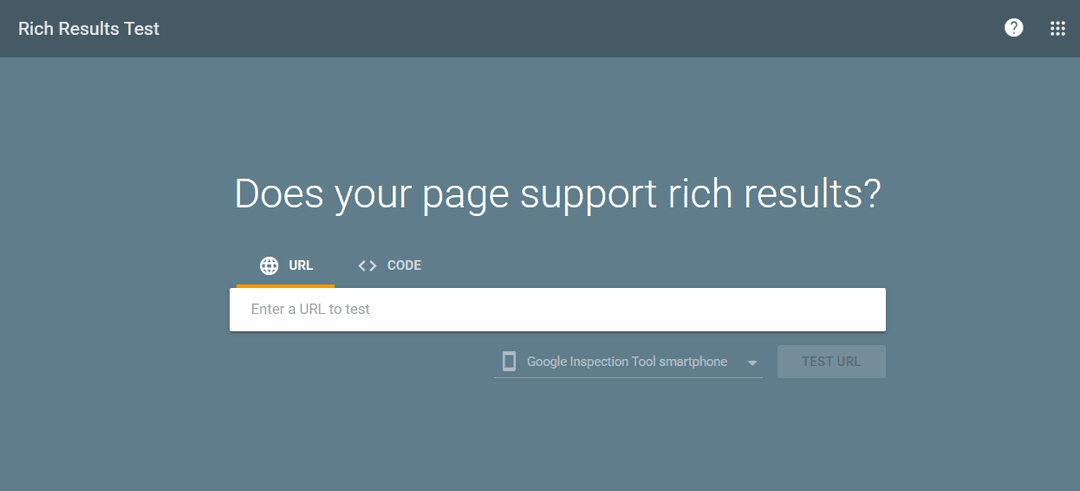
Rich Results Test is a tool that checks whether Google can use your markup to display a rich result. Here’s how to test it:
- Open search.google.com/test/rich-results.
- Choose the URL for a live page, or Code to test your code before publishing.
- Enter your URL or code, then click Test URL (or Test Code).
- Check the results section to see which rich result types were detected, along with any errors and warnings.
- Fix any issues that appear (for example, required properties that haven’t been filled in), then test again.
A valid result in both tools only means your page is eligible to appear as a rich result.
Whether your star rating schema actually produces visible stars still depends on Google’s decision. Once the page is live, also monitor the reports in Google Search Console to catch structured data issues across your whole site!
Read also: B2B AI-Powered Search: Adaptation Strategy & Optimization Checklist
Does Aggregate Rating Schema Improve AI Visibility?
It can help, but it doesn’t guarantee results. Implementing schema markup, including aggregate rating schema, can help AI systems and LLMs pick up trust signals about your business, so your brand’s social proof is easier to read and take into account.
This way, your business can look more credible and authoritative in Google search results and in AI recommendations. That’s why schema is best positioned as a supporting foundation that works alongside quality content, genuine customer reviews, and strong brand authority.
Since AI visibility is influenced by many factors, it’s best to check where your brand currently stands with the FREE AI Visibility Audit by cmlabs.
Once you have the results, you can continue with AI Search Optimization (GEO/AEO) Services by cmlabs to optimize your brand’s visibility in AI search comprehensively.
One of the services we provide is schema markup implementation, including aggregate rating schema, so that it complies with your data and Google’s guidelines. We don’t stop at installation. We also monitor the results on an ongoing basis and put together reports for you.
We also believe every business has different needs. So don’t hesitate to contact our team to learn more about the right services and optimization strategy for your business goals!

Risca Fadillah
Thank you for taking the time to read my article! At cmlabs, we regularly publish new and insightful articles related to SEO almost every week. So, you'll always get the latest information on the topics you're interested in. If you really enjoy the content on cmlabs, you can subscribe to our email newsletter By subscribing, you'll receive updates directly in your inbox. And hey, if you're interested in becoming a writer at cmlabs, don't worry! You can find more information. here So, come join the cmlabs community and stay updated on the latest SEO developments with us!
Subscribe to Our Newsletter
Enter your email to receive news from us