As an SEO Writer, I stay up-to-date with the latest SEO practices and industry insights to craft content that is search-optimized, credible, and genuinely valuable, designed to perform at its best on SERPs.
Collaborator

HowTo Schema: Function, Implementation, and Testing

In the age of AI search, businesses need to adapt if they want to stay visible to AI systems. One way to do that is to optimize your website so AI crawlers can easily find and understand it. Schema markup is a strategy worth considering here.
One type is HowTo schema markup, which structures the steps in your tutorial content so machines can read them more easily. Paired with educational “how-to” content, it can help your brand show up as the answer when people search for information online.
This way, brand awareness doesn’t depend on promotion alone. It’s also built through education that genuinely helps your audience. In this article, we’ll cover what HowTo schema is, what it does, which types of content suit it, and how to implement and test it. Let’s dive in!
What Is HowTo Schema?
HowTo schema markup is a type of schema markup that tells machines a page contains a step-by-step guide for completing a task, such as tying a shoelace or changing a light bulb. With it, search engines and AI systems can recognize each step in the guide more clearly and in a more structured way.
But what exactly is schema markup? Schema markup is a structured data format added to a website to help search engines and AI crawlers better understand what the content is about.
What Does HowTo Schema Do?
The main function of HowTo schema is to help search engines understand the purpose and structure of your content. It signals that a page contains a guide, what the steps are, and what order they come in. Here’s a quick breakdown:
- Clarifies the content’s purpose: HowTo schema tells machines that your page is a step-by-step guide, not a regular article.
- Organizes the steps clearly: It spells out each step and the order it comes in, so machines can follow the guide easily.
- Makes content easier to find: A better understanding of the content makes it easier for crawlers to judge it as relevant.
- Prepares content for evolving search behavior: People now search through phones, video, and AI systems, and structured data helps keep content readable across all of them.
Best Content Types for HowTo Schema
HowTo schema markup works best on pages that contain a sequence of instructions for completing a single task. It’s a good fit for:
- Step-by-step guides with a clear end result, such as how to set up a tool or configure a setting.
- Tutorials and walkthroughs whose steps are sequential, clearly separated, and make sense when read one at a time.
- Pages dedicated to a single guide, not a small section within a page covering a general topic.
- Content with all steps on one page, not split across multiple pages.
Read also: How to Start AI Prompt Tracking for Your Business
How to Add Schema Markup to Website
Adding schema markup to a website is actually quite flexible and can be adapted to whatever technical setup you use. From preparing your content to installing the code, here are the practical steps for creating and implementing HowTo schema on your web pages:
1. Make Sure the Page Fits HowTo Schema
Schema should match the main purpose of the page. Use HowTo schema only for pages that contain step-by-step guides, and mark up only the relevant sections.
2. Create the Schema Code
There are four options for creating the code. You can write the JSON-LD manually, ask an AI tool for help, use a WordPress plugin such as Yoast, Rank Math, or Schema Pro, or use Google’s Structured Data Markup Helper. Whichever you choose, make sure the code is checked before you use it.
3. Add the Code to the Page
Paste the JSON-LD code into the <head> or <body> section of the HTML. If you use a plugin, though, the code is added automatically.
Read also: Content Structure for AI Search Optimization, Try Now!
How to Test HowTo Schema
Before your page goes live, run your HowTo schema code through a quick check. Testing confirms there are no syntax or structural errors, so search engines and AI crawlers can read and index it correctly. Here are the steps:
1. Via Schema Markup Validator
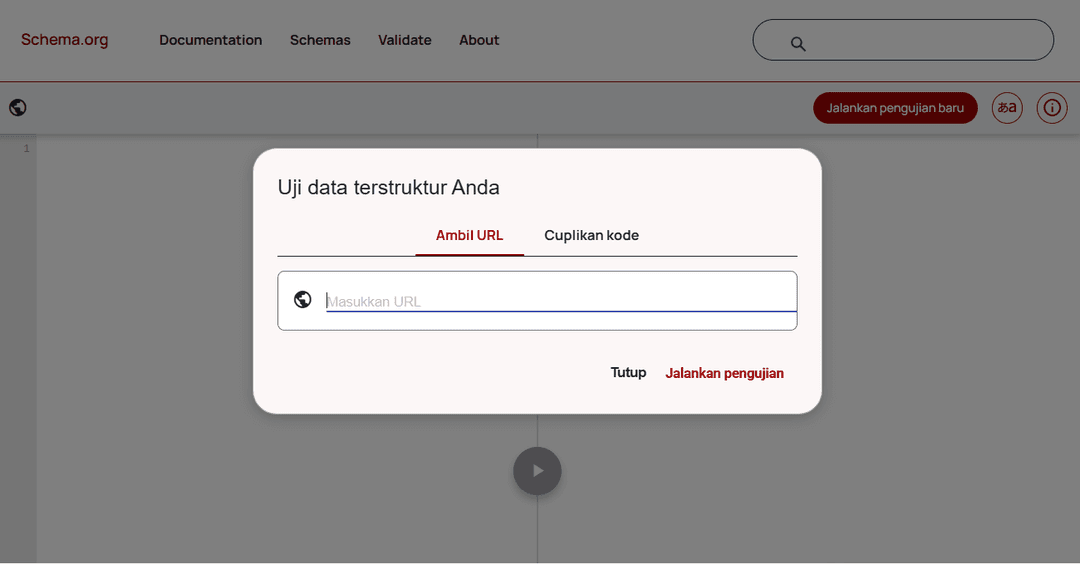
This tool was developed by Schema.org and is used to check the syntax and structure of JSON-LD code in general, based on Schema.org standards.
How to Use Schema Markup Validator:
- Go to the Schema Markup Validator page.
- Choose a testing option: enter the URL of a page that already has schema installed, or paste the JSON-LD code (Code Snippet) you just created.
- Click the Run Test button.
- Review the analysis results in the right panel. If there are any errors or warnings, the tool will highlight the lines of code that need fixing.
2. Via Rich Results Testing Tool
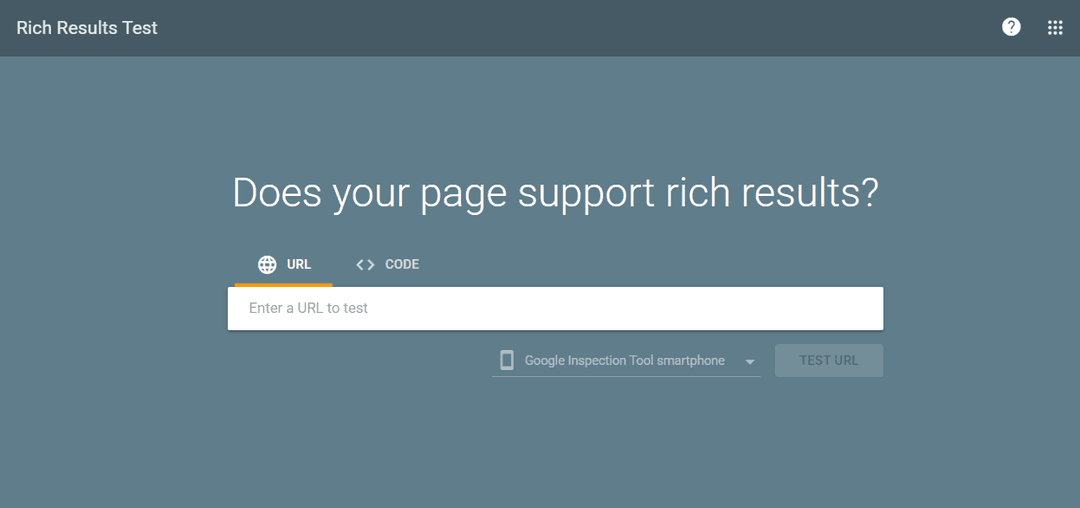
While Schema Markup Validator focuses on the correctness of code structure in general, Google’s Rich Results Test is specifically used to see whether your schema code qualifies to appear as a rich result (a visually enhanced or structured search result) on Google’s search results page.
How to Use It:
- Open the Google Rich Results Test site.
- Enter your article’s URL or paste the JSON-LD code in the Code tab.
- Click Test URL.
- Once the scan is complete, check the status. If the code is valid, you’ll see a green checkmark under the HowTo category. You can also use the View Rendered Page feature to preview roughly how your guide will look in Google search results.
Read also: AEO Website Audit: How It Works & Its Benefits for Your Business
Can HowTo Schema Improve Website’s Visibility on AI Platforms?
HowTo schema can help improve your website’s visibility, but not directly. Implementing it doesn’t automatically guarantee that AI platforms will cite or recommend your content. That said, this structured data makes it easier for AI crawlers to read and understand the flow of instructional content with precision.
So, technically speaking, HowTo schema plays a role through several key functions:
1. Helps Systems Understand Content Structure
By marking up each step explicitly, the relationships between pieces of information become easier for systems and crawlers to recognize. That said, content structured with neat headings, numbered lists, and clear instructions can often be understood even without schema.
2. Clarifies the Context of Instructional Information
This markup can help identify that the content is meant to explain a process or how to do something. This helps AI interpret the context of the content more accurately when generating answers for users.
3. Supports the Technical Foundation of SEO and AI Search
Structured data is part of managing information in a machine-readable way. However, its effectiveness still depends on content that is relevant, easy for crawlers to access, well structured, and highly credible.
Optimize Your AI Search Visibility with Schema Markup and More, with cmlabs!
HowTo schema helps search engines and crawlers understand the steps in tutorial content. Paired with useful educational content, it can be part of your business’s AI visibility strategy. That said, schema markup is only one piece of the puzzle. You can take your website’s visibility further through AI Search Optimization (AISO).
AI search optimization is a broader effort to make your brand easier for AI systems to find, understand, and reference. Before you start planning an optimization strategy, it helps to know where your brand currently stands in the eyes of AI. To make that easy, try the FREE AI Visibility Audit by cmlabs. You’ll receive the results within 3 business days, at no cost and with no contract.
Once you have your audit results, you can move on to AI Search Optimization (GEO/AEO) services by cmlabs. Our services are comprehensive, covering technical and entity optimization, content restructuring, and schema markup implementation.
Interested in discussing an AI Search Optimization plan for your brand? Contact our team to talk through the right strategy for your business now!

Risca Fadillah
Thank you for taking the time to read my article! At cmlabs, we regularly publish new and insightful articles related to SEO almost every week. So, you'll always get the latest information on the topics you're interested in. If you really enjoy the content on cmlabs, you can subscribe to our email newsletter By subscribing, you'll receive updates directly in your inbox. And hey, if you're interested in becoming a writer at cmlabs, don't worry! You can find more information. here So, come join the cmlabs community and stay updated on the latest SEO developments with us!
Subscribe to Our Newsletter
Enter your email to receive news from us