As an SEO Writer, I stay up-to-date with the latest SEO practices and industry insights to craft content that is search-optimized, credible, and genuinely valuable, designed to perform at its best on SERPs.
Collaborator

How to Create a Brand Name and Register It
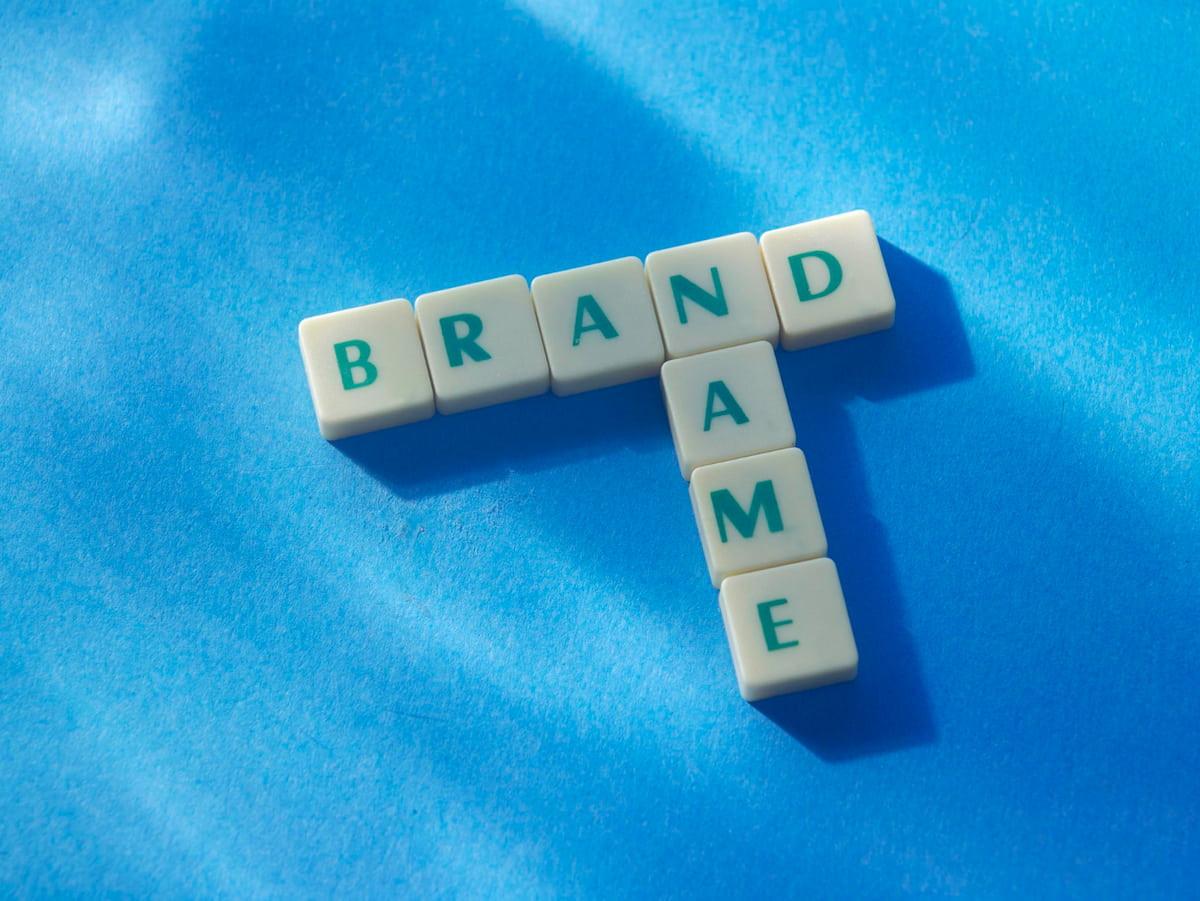
A brand name is often the first thing people know about a business, even before experiencing its products or services. As the first expression of your business identity, it should reflect your brand’s character and values.
However, many new business owners rush the naming process, ending up with names that are hard to remember, too similar to existing brands, or legally problematic.
This article discusses how to create a brand name, common mistakes to avoid, how to check its availability, and how to officially trademark it. Read on to learn more!
Things to Consider in Creating a Brand Name
The right brand name helps potential customers recognise and remember your business while setting it apart from competitors. Here are some key factors to consider when creating a brand name:
1. Unique and Not Already in Use
An original name stands out more easily, and the risk of conflicting with an existing brand is reduced. Whenever possible, come up with your own name and avoid imitating popular brands.
2. Easy to Pronounce, Spell, and Remember
Avoid foreign words or complicated letter combinations, since people often spell and pronounce them differently. This also makes sure your brand is easy to find on search engines or social media.
3. Has a Positive Meaning and Impression
Make sure you understand the meaning behind your chosen name, including any double meanings or negative associations that could offend certain audiences. A unique name is not enough if it creates the wrong impression or makes potential customers think twice.
4. Fits Your Target Market
Your brand name should reflect the tone and personality that resonate with your target audience, based on your market research. For example, a casual and energetic name may appeal to younger audiences, while a warm and friendly one may be more suitable for families.
5. Legally Safe
Your brand name should be legally available for registration and protection. Under Indonesia's Law No. 20 of 2016 on Marks and Geographical Indications, a trademark may be rejected if it lacks distinctiveness, misleads consumers, or is similar to an already registered mark. Understanding how to trademark a brand name early can help you avoid legal issues down the road.
Common Mistakes When Choosing a Brand Name
These mistakes seem minor at first, but they can force your business into a rebrand that costs time and money. Here are the mistakes to avoid:
- Using a generic term as your name. Generic names can get lost in search results and make it harder to build a distinctive brand image. Even descriptive names need to stand out from competitors.
- Copying or sounding too similar to another brand. This can confuse customers, lead to trademark disputes, and weaken your unique brand identity.
- Ignoring domain and social media availability. A great name loses its value if someone else already uses it for their website domain and social media accounts.
- Tying the name too closely to one product. A name that’s too specific limits room for expansion. Once the business starts selling other products or services, the name may no longer be relevant.
Read also: How to Create a Content Strategy for Optimal Business Growth
How to Create a Brand Name
Knowing how to create a brand name isn’t actually difficult. To make it easier to settle on a name, try following this guide:
1. Understand Your Brand Identity and Target Audience
Start with the basic questions: What is your business vision? What values do you want to convey? What kind of branding style or concept do you want to present? And who are the customers you’re aiming for?
2. Compile a List of Relevant Keywords
Write down words related to your product or service, industry, benefits, target market, and brand values. This list can then be used as keywords to shape your brand name.
3. Brainstorm as Much as Possible, Then Narrow Down
In the early stage, don’t limit your ideas. Write down as many alternatives as you can, then filter them based on criteria such as being easy to pronounce, having a positive meaning, and being relevant to the business. After that, narrow them down to a few top candidates.
4. Ask for Third-Party Opinions
Ask colleagues, family, or potential customers who represent your target market for their opinions. Pay attention to whether they can pronounce the name easily, understand the impression it gives, and still remember it after some time.
5. Check Name, Domain, and Social Media Availability
Make sure the brand name you choose isn’t already used by someone else, whether in the trademark database, as a website domain, or as a social media account.
6. Register the Name as a Trademark
Once you've confirmed the name is available, register it as a trademark to secure legal protection and prevent others from using it. Understanding how to trademark a brand name ensures your business identity is properly protected.
Read also: Brand Equity: Definition, Elements, Examples, and Strategies
How to Officially Register a Brand Name
How to trademark a brand name officially can be done online through the Directorate General of Intellectual Property (Direktorat Jenderal Kekayaan Intelektual/DJKI).
A registered mark receives legal protection for 10 years from the date the application is received, so others cannot use it without permission. Here are the registration steps:
- Prepare the required documents. The basic documents are the mark’s label or etiquette and the applicant’s signature. For micro and small business owners, you are usually also asked for a recommendation letter or statement confirming you are a supported SME, plus a statement letter signed on stamp duty.
- Create an account at merek.dgip.go.id. Register an account on the official DJKI website, then log in to start your application.
- Choose an online application and fill in the applicant’s data. Complete your personal or business entity details. If you use an intellectual property consultant or have priority rights, this section needs to be filled in too.
- Enter the mark details and the class of goods or services. Fill in the mark information, then choose the class that matches your product or service. Fees are calculated per class.
- Upload attachments and pay the billing code. Upload the required documents, generate a billing code, then complete the payment. Fees for general applicants and SMEs differ, so make sure you select the right category.
- Review your data and download the receipt. Double-check that your data and documents are complete before finalizing the application, then download the receipt from your application list as proof of submission.
How to Check If a Brand Name Is Already Registered
Choosing a name that matches or closely resembles an existing trademark can lead to rejection or legal disputes. Fortunately, you can avoid that risk. Here’s how to check if a brand name is taken:
- Open the PDKI website. Visit DJKI’s official database of registered marks in Indonesia.
- Select the trademark menu and enter the name. Make sure the spelling and punctuation are accurate, then also try spelling variations or names that sound similar.
- Read the search results. Pay attention to the owner’s data, the registration status (active or expired), the protection period, and the class of goods or services.
- Watch out for identical or similar names in a related field. If you find similarities, consider modifying the name or choosing a different one.
- Check the name on Google, social media, and domains. Not every business registers its mark, so make sure the name can truly be used by searching on Google and social media.
Indonesian Brand Name Ideas by Industry
Here is some brand name inspiration for several popular industries in Indonesia, which are easy to find and to remember.
Fashion
Related keywords: clothing, boutique, hijab, t-shirt, batik, gamis, knitwear.
- Kainara
- Senja Butik
- Kelana Hijab
- Batik Nusara
- Kaos Kelakar
- Tenun Tala
- Gamis Laras
- Padan Studio
- Busana Lentera
- Rajut Rona
Education and Consulting
Related keywords: courses, private tutoring, tutoring center, training, bootcamp, consultant, mentor.
- Pelita Belajar
- Nalar Kursus
- Ruang Asah
- Les Arunika
- Kelas Tumbuh
- Bimbel Tuntas
- Pelatihan Mahir
- Arah Consulting
- Langkah Mentor
- Bootcamp Rintis
F&B
Related keywords: coffee, geprek, meatballs, snacks, catering, beverages, bread.
- Kopi Sauh
- Seduh Rimba
- Geprek Sambalan
- Dapur Ndalem
- Bakso Gentong
- Camil Cakra
- Rempah Rasa Katering
- Es Teler Telaga
- Roti Pagi Kita
- Kudapan Kenari
Beauty
Related keywords: skincare, cosmetics, facial treatment, salon, sunscreen, lipstick.
- Binar Skincare
- Rona Rupa
- Pendar Beauty
- Segar Skin Lab
- Lembayung Lips
- Salon Kenanga
- Teduh Sunscreen
- Ayu Rempah Skincare
- Kinar Beauty Care
- Embun Facial Care
Digitech
Related keywords: software, app, website, digital marketing, cloud, AI, data.
- Sinergi Kode
- Bright Tech
- Rancang Apps
- Cakap Digital
- Awan Nusa Cloud
- Logika Labs
- Laman Kreasi
- Sigap Software
- Titik Temu Digital
- Bijak Data
Health
Related keywords: clinic, pharmacy, vitamins, physiotherapy, therapy, herbal, dental clinic, laboratory.
- Klinik Waras
- Apotek Tirta
- Sembada Vitamin
- Luwes Fisioterapi
- Raga Prima Klinik
- Pulih Terapi
- Rimpang Herbal
- Senyum Dental
- Bunda Sehat Klinik
- Cermat Lab
All the names above are for inspiration only. Before using any of them, make sure the trademark, domain, and social media accounts are available.
Read also: Customer Retention: Definition, Benefits & Strategies
Why Is a Brand Name Important for Your Digital Business Strategy?
A brand name is more than just an identity or a way to stand out from competitors. It is often the first thing your audience recognizes and remembers, even before they experience your products or services.
In the digital era, your brand name also needs to be easy to find across online channels, from search engines to social media. Names that are difficult to spell, too generic, or already used by others can make it harder for your business to stand out. That's why choosing a distinctive, searchable name and checking its availability before committing to it are essential steps.
A recognizable brand identity starts with the right name, but it doesn't end there. SEO also plays an important role in connecting your brand with its industry, products, and services, making it easier for your target audience to find you online. As your brand visibility grows, knowing how to trademark your brand name also helps protect your business identity.
If you need help building your branding and digital visibility, cmlabs can help through the Branding and Visual Identity Services and SEO Services, so your brand becomes easier to find in the digital ecosystem, on Google and on AI platforms alike.
Discuss with our team today to learn more about our services or to find the best service scopes that fit your brand and business needs!

Risca Fadillah
Thank you for taking the time to read my article! At cmlabs, we regularly publish new and insightful articles related to SEO almost every week. So, you'll always get the latest information on the topics you're interested in. If you really enjoy the content on cmlabs, you can subscribe to our email newsletter By subscribing, you'll receive updates directly in your inbox. And hey, if you're interested in becoming a writer at cmlabs, don't worry! You can find more information. here So, come join the cmlabs community and stay updated on the latest SEO developments with us!
Subscribe to Our Newsletter
Enter your email to receive news from us