As an SEO Writer, I stay up-to-date with the latest SEO practices and industry insights to craft content that is search-optimized, credible, and genuinely valuable, designed to perform at its best on SERPs.
Collaborator

Social Commerce: Definition, Types, How It Works, & Examples

Social commerce is a trading model where the entire buying and selling process, from discovering products, interacting with sellers, to making payments, takes place directly on social media platforms without needing to switch to other stores or applications.
In the past, social media was only used to share moments or expand connections. Now, its function is far broader than that, as consumers can discover products, ask sellers questions, and complete transactions without having to open a new tab or switch apps.
Want your business to reach more consumers through social media? Now is the time to try social commerce. To better understand the concept, let's take a look at the article below until the end!
What Is Social Commerce?
Social commerce is the use of social media that integrates the entire buying and selling process, from discovering products and interacting with sellers to completing payments, all directly within the platform. Its scope is also very broad, ranging from social commerce in Indonesia, social commerce in Southeast Asia, and even globally.
Unlike traditional e-commerce, which requires customers to visit a separate website or application, social commerce facilitates transactions so that they occur entirely within the social media ecosystem already used daily.
Customers do not need to be directed outside the app. They can discover products while scrolling through pages, ask questions via comments or direct messages, and then make payments directly.
This difference may seem simple, but its impact is quite significant on the shopping experience and conversion rates. The fewer steps a customer has to go through when purchasing, the greater the likelihood of the transaction being completed.
Read also: How to Develop Conversational Commerce Platforms for Business
Types of Social Commerce
Social commerce is a model of buying and selling goods through social media in a practical way. However, it should be noted that several models have been developed based on the type of social interaction that facilitates these buying and selling transactions, including:
1. Live Shopping
This social commerce format is currently the most popular, especially in Indonesia. Sellers conduct a live stream to demonstrate the product in real-time, while the target audience can ask questions and immediately purchase in the available column. One example of a social media platform that pioneered this strategy in Southeast Asia is TikTok Shop.
2. Conversational Commerce
This model involves the entire buying and selling transaction process solely through a chat application. Starting from product consultation and sending catalogs to processing orders, everything is done in a single conversation thread. WhatsApp Business API is the most common example in Indonesia.
3. Influencer-Driven Sales
This model utilizes the trust that has been built by influencers or KOLs (Key Opinion Leaders) with their followers.
In short, business owners will collaborate with talents to create content in the form of videos, reviews, or live streams. From this content, the talents can encourage the audience to purchase products.
4. Peer-to-Peer Sales (P2P)
This model allows individuals to sell directly to other individuals, usually through marketplace features available on platforms such as Facebook Marketplace. P2P focuses on the ease and geographical proximity between the customer and the seller.
5. Group Buying or Social Shopping
These buying groups encourage customers to make purchases collectively in order to obtain discounts or more advantageous offers. Social interaction serves as a tool to mobilize customers until reaching the required minimum number.
How Social Commerce Works
Technically, social commerce works through four interconnected stages. Here are some ways it works:
1. Setting Up Accounts and Product Catalogs
Sellers create and optimize business accounts on platforms that have built-in shopping features, such as Instagram Shopping or TikTok Shop, and then integrate them with available product catalogs and payment systems.
2. Product Discovery Through Content
Unlike traditional e-commerce, which relies on planned searches, products in social commerce are often discovered spontaneously through engaging visual content like short videos, photos, or live streams. In this case, the platform's algorithm plays an important role in pushing products to relevant users' feeds.
3. Interaction and Reviews
Potential customers can ask questions and receive responses in real-time through the comment section or live chat. Reviews, testimonials, and recommendations from other users build trust that resembles in-person shopping experiences.
4. Direct Transactions (In-App Checkout)
When interest arises, customers can select products, fill in shipping details, and complete payment without switching platforms. This is what makes social commerce much more efficient compared to conventional online shopping models.
Read also: Singular vs. Plural Keywords for E-Commerce: Which One to Use?
Benefits of Social Commerce
There are several reasons why social commerce is worth considering as part of your digital business strategy. Here are some benefits of social commerce:
1. More Personal and Interactive Shopping Experience
Consumers can interact directly with sellers just like in an offline store, creating higher customer trust. This is difficult to achieve with regular e-commerce, where transactions tend to be impersonal.
2. More Convenient Transaction Process
The entire journey from discovery to payment happens on a single platform. In other words, obstacles that often arise when having to switch platforms are drastically reduced, thereby encouraging higher conversions.
3. Wide Target Audience Reach
According to the DataReportal report "Digital 2026 Indonesia," the number of social media users in Indonesia is around 180 million people in 2026, or about 62.9% of the total population.
This figure indicates that the majority of Indonesian society is actively connected to social media platforms.
4. Ease of Collecting Customer Data
Every interaction, whether a comment, direct message, or purchase, is valuable data. Businesses can gain direct insights into what customers like and dislike without having to conduct separate research.
5. Effective in Reaching the Young Segment
Social commerce is where Gen Z and millennials spend their time and shop. If your target audience is aged 18–34 years, this is the most appropriate place to reach them.
Social Commerce Platform
Some major platforms now provide social commerce features directly within them. Here are some examples of social commerce that are often encountered:
1. TikTok Shop
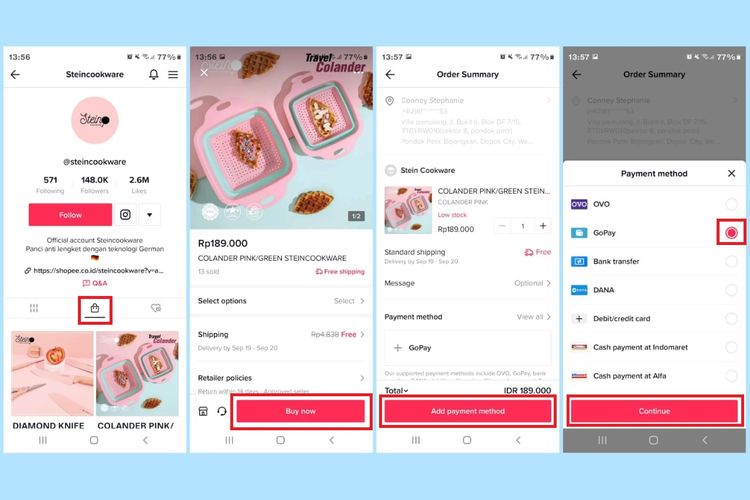
You might not be surprised if this platform dominates the social commerce market in Indonesia. Databoks survey recorded that 46% of consumers choose TikTok as their favorite shopping platform. Its advantage lies in the Live Shopping feature and the "Yellow Cart," which encourages impulsive transactions while watching short videos or live broadcasts.
2. Instagram Shopping
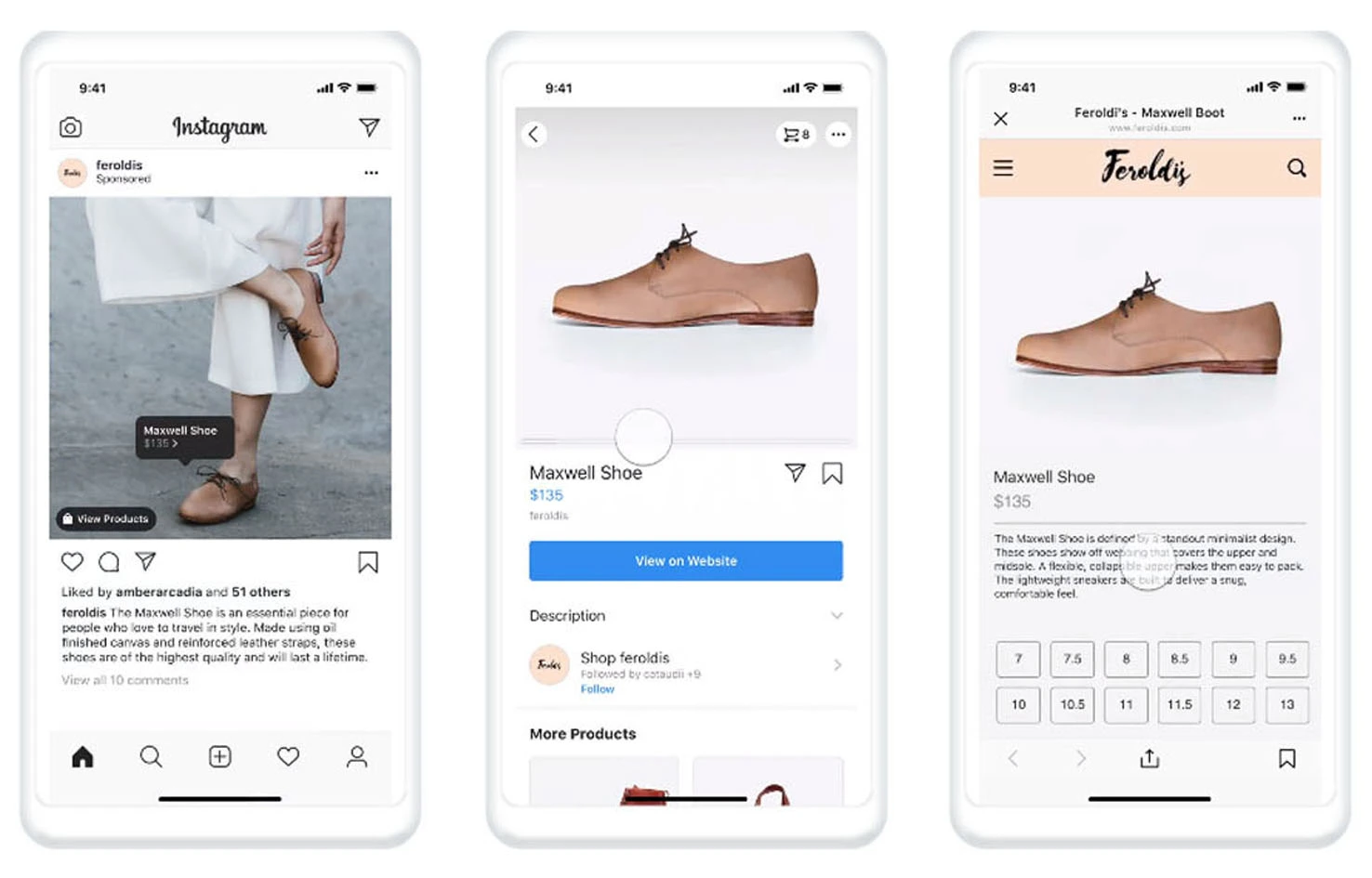
This platform leverages its visual focus with product tagging features on photo and Reels content. Currently, this feature is available in more than 70 countries, including Indonesia. Users can view product details and be directed to the checkout page directly within the app.
3. Facebook Shop

Facebook Shop allows businesses to create a digital storefront directly within the Facebook ecosystem. With a user base that is still very large in Indonesia, your products can reach many more people without having to leave the platform.
4. WhatsApp Business API
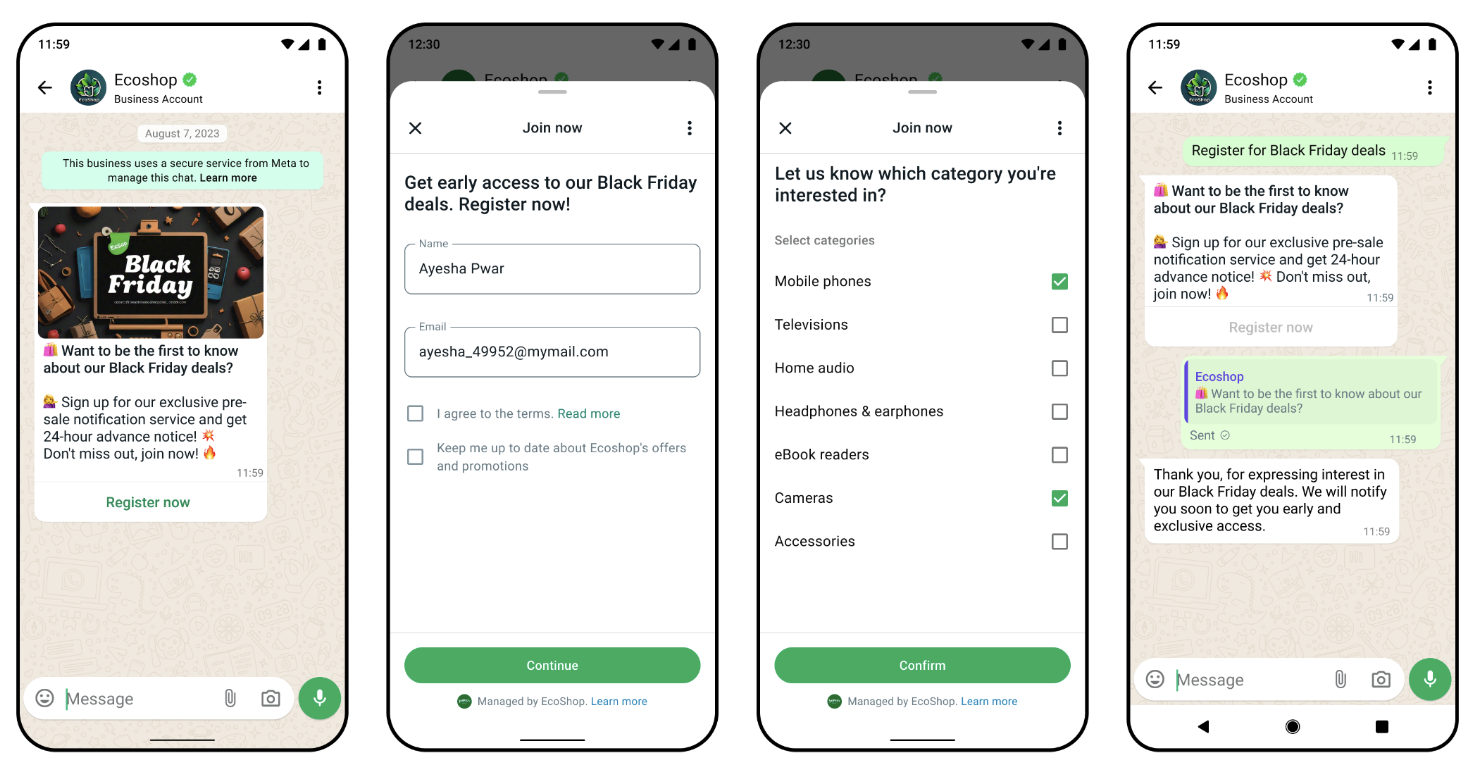
This platform fully supports conversational commerce models. Although chat-based, WhatsApp ranks second as the most widely used social commerce channel in Indonesia. Businesses can display product catalogs and process orders through interactions that feel personal.
Examples of Social Commerce in Indonesia and Southeast Asia
Southeast Asia is one of the most active social commerce markets in the world, and Indonesia is at its center. Here are some examples of social commerce widely used in Indonesia:
1. TikTok Shop Indonesia
As is well known, the TikTok Shop platform is indeed widely recognized. Local brands like Scarlett Whitening have successfully built awareness and massive sales through a combination of creator content, daily live broadcasts, and affiliate features that encourage thousands of small sellers to help market their products.
2. Tokopedia
This platform integrates social elements into its e-commerce platform through live streaming features and community-based product reviews, allowing sellers to interact directly with potential buyers before a transaction takes place.
3. Shopee
Shopee Live and Shopee Feed Southeast Asia provide a social commerce channel that allows sellers and buyers to interact and promote products directly within the app.
4. Lazada
Although also widely used in Indonesia, Lazada utilizes KOL endorsement and live streaming strategies to drive sales. This model is also applied in Malaysia, Thailand, the Philippines, and Vietnam as part of the Lazada Group's social commerce ecosystem.
Challenges in Implementing Social Commerce
Social commerce indeed offers many opportunities, but its implementation is not always smooth. Several real challenges need to be anticipated from the beginning.
1. High Volume of Conversations
The more popular your business, the more comments, questions, and chats come in simultaneously from various platforms.
Without a structured system, leads can be overlooked, and sales opportunities can be lost. Response speed is a critical factor in social commerce because consumers who do not get quick answers tend to turn to competitors.
2. Stock Management and Team Coordination
When sales occur simultaneously across multiple platforms, stock coordination becomes its own challenge.
Imagine two admins serving two potential buyers at the same time for a product that only has one item left in stock. Without good coordination, overselling can occur and damage customer trust.
3. Centralization and Management of Customer Data
Unlike websites that automatically record data from each transaction, social commerce often spreads customer information across various chat inboxes.
Without a centralized system, customer data is difficult to manage for follow-ups and future marketing campaigns.
4. Content Consistency Across Different Platforms
Each platform has different content characteristics. A format that works on TikTok may not be effective on Instagram or Facebook.
Maintaining brand message consistency while adapting content to each platform's format requires an organized team and a well-thought-out content strategy.
5. Accurate ROI Measurement
Measuring the return on investment from social commerce is not as simple as reading a regular e-commerce report. Interactions occur at various points, from comments, live streams, to direct messages, and not all of them directly result in transactions that are easy to track. Without the right measurement tools, businesses find it difficult to know which ones actually drive sales.
Make Social Commerce Part of Your Business Strategy, Together with cmlabs!
Social commerce is a practical buying and selling method. From how it works, its types, to the platforms already available, everything shows that this model has become a real part of the way Indonesians shop today.
Interestingly, the ecosystem is also already available in Indonesia. TikTok Shop, Instagram Shopping, and WhatsApp Business are all used by millions of people every day.
Therefore, businesses that enter earlier with the right strategy have a much greater chance compared to those that are still waiting.
If your business is considering social commerce as part of your digital marketing strategy, cmlabs can help.
Through our Social Media Management services, our team can develop an approach that not only increases engagement on your social media platforms but also designs strategies that target conversions through social commerce if needed.
Want to know more about how we can support your business growth? Contact us and discuss your needs with our team of experts today!
Read also: How SEO Works and Its Benefits for Business, Must Know!

Risca Fadillah
Thank you for taking the time to read my article! At cmlabs, we regularly publish new and insightful articles related to SEO almost every week. So, you'll always get the latest information on the topics you're interested in. If you really enjoy the content on cmlabs, you can subscribe to our email newsletter By subscribing, you'll receive updates directly in your inbox. And hey, if you're interested in becoming a writer at cmlabs, don't worry! You can find more information. here So, come join the cmlabs community and stay updated on the latest SEO developments with us!
Subscribe to Our Newsletter
Enter your email to receive news from us