As an SEO Writer, I stay up-to-date with the latest SEO practices and industry insights to craft content that is search-optimized, credible, and genuinely valuable, designed to perform at its best on SERPs.
Collaborator

SEO Workflow Stages & Their Importance for Website Performance
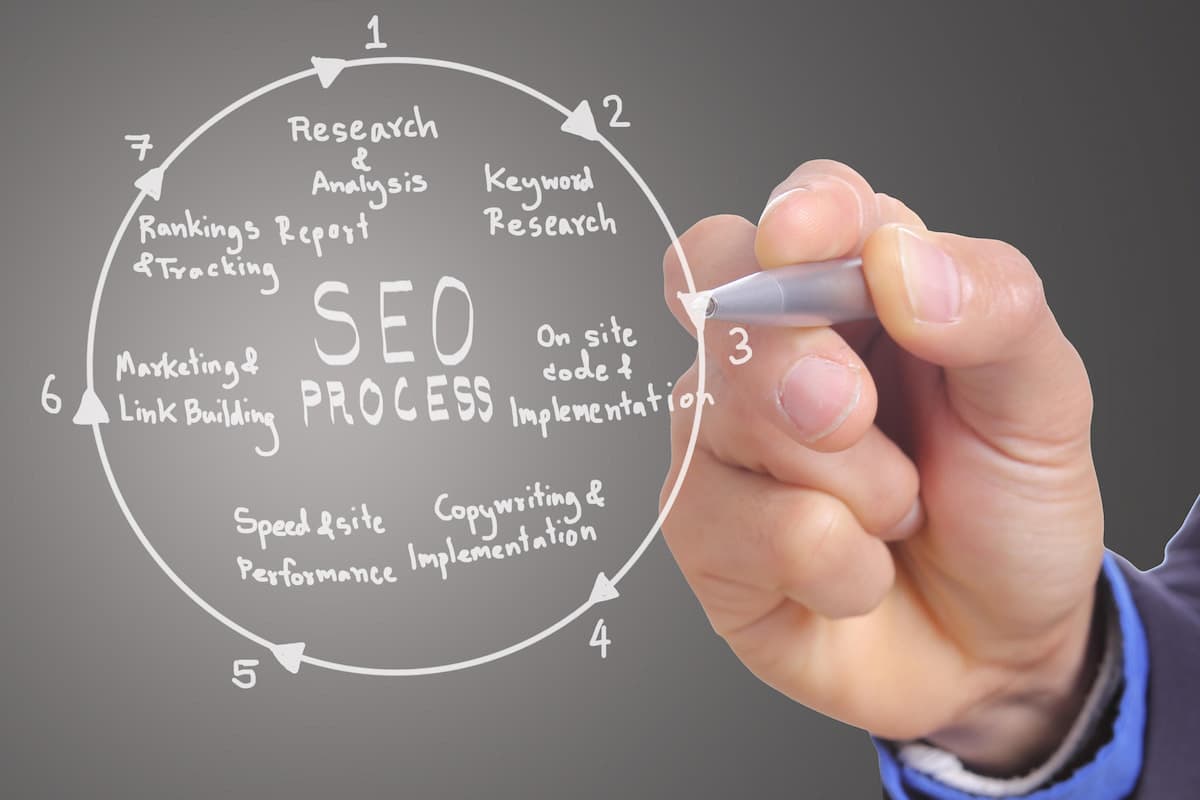
Have you ever felt like you’re consistently creating content and optimizing it, but your SEO results are still inconsistent? It might not be the strategy that’s lacking, but rather the workflow. Without a structured process, many important steps are often overlooked, making it difficult for performance to improve.
With the right SEO workflow, every activity can proceed in a more systematic and focused manner. Read this article to the end to understand how an effective SEO workflow can help improve your website’s performance sustainably.
What Is an SEO Workflow?
An SEO workflow is a structured process for systematically planning, executing, and monitoring SEO activities. This process ensures that every step, from keyword research to performance evaluation, is carried out in sequence.
Simply put, an SEO workflow helps break down large tasks into smaller, more manageable steps, making the work more organized, efficient, and consistent.
With a clear system, each stage can be interconnected, supporting more stable optimization results.
With a clear workflow, teams can more easily divide tasks, set priorities, and maintain quality throughout each process. As a result, SEO activities not only run more effectively but are also easier to measure and improve over time.
Why Is an SEO Workflow Important?
An SEO workflow and task management system helps the optimization process run in a more focused, efficient, and consistent manner. Without a clear flow, SEO tasks are often carried out without a definite order, which risks lowering the results.
Here are several reasons why implementing an SEO workflow is important:
1. A More Organized and Efficient Workflow
A workflow ensures that every stage of SEO is clearly organized, from planning to evaluation. The team doesn’t have to guess the next step because everything is already structured.
2. Maintains Consistent Quality
With consistent standards across every process, optimization results become more stable. The risk of overlooking important steps, such as keyword research or on-page optimization, can also be minimized.
3. Facilitating Team Collaboration
Every team member has a clear role. This helps communication flow more smoothly and speeds up task completion without many obstacles.
4. Supporting SEO Scalability
The workflow allows businesses to manage multiple pages or projects simultaneously while maintaining quality. As a result, the workflow remains organized.
5. Optimizing Time and Resources
With a clear workflow, teams can focus on the tasks that have the greatest impact. As a result, SEO performance is easier to monitor, and the potential ROI is maximized.
Read also: 8 SEO Trends in 2026 & Strategies to Keep Your Brand Relevant
SEO Workflow Stages
To ensure that SEO tasks and workflows are managed more efficiently, it’s important to understand the sequential stages involved.
Each process is interconnected, allowing all SEO activities to be carried out more systematically. Here are some commonly used workflows:
1. Keyword Research
The initial stage begins with identifying keywords relevant to the business. The process involves determining the main topic, developing related keywords, and then analyzing data such as search volume and competition levels.
Based on these results, select the most promising keywords to serve as the foundation for content creation, whether for blog articles or product pages.
2. Content Creation
Once the keywords have been determined, the next step is to create the content. Content is the primary element that will appear in search results. Therefore, the creation process needs to be carefully organized, from planning through to publication.
This process begins with selecting a topic, creating an outline, and continues through writing and editing. Before publication, the content must also be optimized to comply with SEO best practices, including keywords, internal links, and other supporting media.
3. Optimizing Existing Content
In addition to creating new content, it’s also important to update previously published content to keep it relevant.
This step involves evaluating underperforming content, correcting outdated information, and adding the latest data or insights to improve its quality.
4. Website Audit
An audit is conducted to assess the overall condition of a website, both from a technical standpoint and in terms of SEO performance. The audit typically begins by selecting the pages to be analyzed, then using audit tools to identify issues.
Through this process, the team can identify technical issues or weaknesses that affect SEO performance and then implement the necessary improvements to enhance the website’s performance.
5. Link Building
Link building plays a crucial role in boosting a website’s authority by focusing on strengthening both internal and external link structures.
Internal links aid navigation and indexing, while backlinks from other websites can enhance credibility and search engine rankings.
Additionally, the team must seek opportunities to acquire backlinks from external sites and conduct regular evaluations to ensure the implemented strategy is effective.
6. Monitoring and Evaluation
The SEO process doesn’t stop once content is published or a page is optimized. To achieve long-term results, performance needs to be monitored and analyzed on a regular basis.
Some of the key metrics typically monitored include keyword rankings in search results, organic traffic, and the resulting conversions.
Additionally, regular SEO audits are essential for identifying technical issues and new optimization opportunities to ensure performance remains stable and continues to improve.
With consistent monitoring and evaluation, you can continuously refine and develop your SEO strategy.
That is why it is important to implement an SEO workflow in every optimization process. With a clear workflow like the one above, each step can be executed in a more focused, efficient manner, and deliver more consistent results.
If you want your SEO strategy to perform at its best without having to manage it yourself, cmlabs offers comprehensive and integrated digital marketing services, including SEO services, to help maximize your website’s visibility and performance.
Let’s get started on optimizing your SEO strategy with a more targeted and measurable approach so you can see tangible results!
Read also: 14 Recommended Free SEO Tools to Increase Organic Traffic

Risca Fadillah
Thank you for taking the time to read my article! At cmlabs, we regularly publish new and insightful articles related to SEO almost every week. So, you'll always get the latest information on the topics you're interested in. If you really enjoy the content on cmlabs, you can subscribe to our email newsletter By subscribing, you'll receive updates directly in your inbox. And hey, if you're interested in becoming a writer at cmlabs, don't worry! You can find more information. here So, come join the cmlabs community and stay updated on the latest SEO developments with us!
Subscribe to Our Newsletter
Enter your email to receive news from us